
Support built around the young person—not a fixed programme.
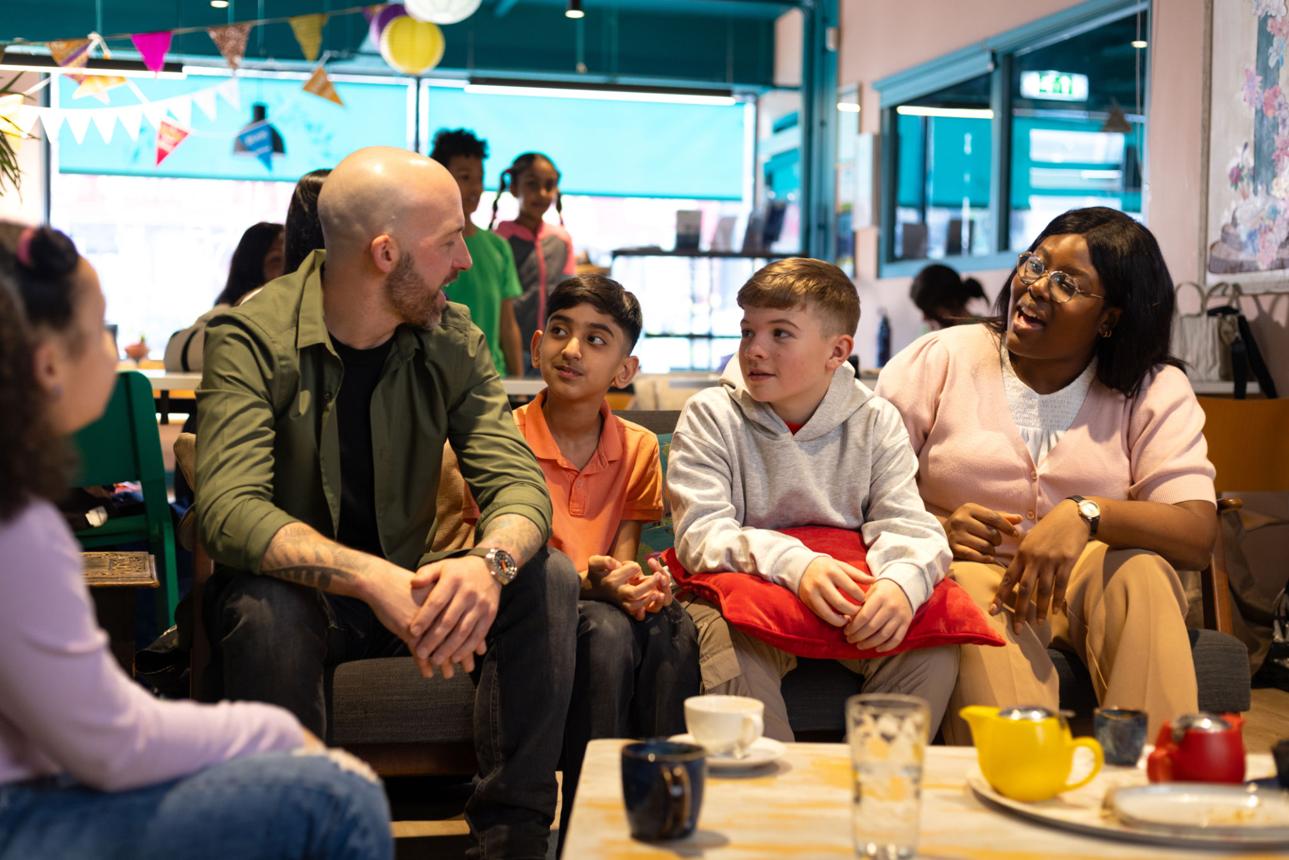
From relational presence to the right support.
The aim is not to move a young person through a service and out again. It is to understand the person, build the right network around them and maintain connection beyond a particular intervention.
Relational presence
Trusted adults become familiar, approachable and consistently available.
Understand need
We listen to the young person and those around them, recognising needs, strengths and aspirations.
Personalised response
The right mix of relationship, activity, mentoring, group work or other support is shaped around the person.
Connected network
School, family, community opportunities, volunteers and partners contribute rather than work in isolation.
Targeted support
Where required, trusted pathways lead into appropriately qualified specialist or clinical provision.
Building support around each young person.
Every young person is different. Effective support starts by understanding their needs, strengths, aspirations and circumstances— then building the right response around them.
Seen, known, valued, supported and able to thrive.
The person does not fit a programme. Relationships, opportunities, partnerships and pathways are shaped around the person.
Trusted. Approachable. Consistently present.
Trusted adults, mentoring, listening spaces and accessible drop-ins create safe places to talk, belong and be heard before needs escalate.
Stronger together. Support for everyone.
Assemblies, workshops, groups and curriculum-linked input strengthen wellbeing, relationships and the support already available across school.
Right support. Right time. Right path.
Needs-led planning connects young people and families to the right combination of mentoring, wellbeing support, community opportunity and specialist services.
Spaces to be. Something to do. Someone to grow.
Overflow Dance, Create, Football and Hub build confidence, identity, positive relationships and multiple entry points into deeper support.
School-embedded presence is connected to community-based pathways and opportunities, so trusted relationships and support remain available beyond the school gate.
Relational infrastructure is the network of relationships, opportunities, partnerships and pathways that helps young people access the right support at the right time.
From falling through gaps to finding belonging.
A young person is noticed before crisis.
Trusted adults build relationship over time.
The right support becomes accessible.
They are linked into community and belonging.
Confidence, resilience and purpose grow.
Support is only accessible when young people can reach, trust and use it.
Belonging first
Connection, participation and positive relationships can become the doorway into wellbeing support.
Rapport-led
Young people are more likely to engage with support from people they know, recognise and feel comfortable with.
Beyond the school gate
School-based support connects with community relationships and opportunities that can continue beyond the school day.
Responsive, not fixed
Options, partnerships and pathways allow the response to change with the young person and local need.